Last Updated:
Arcady Temple Land Clearing arranges mesquite removal across Temple and Bell County, with the work done by independent, insured clearing contractors. Mesquite is the tree that comes back. On the Blackland pastures east of Temple it often returns thicker after it is shredded, because the cut leaves the buds that sprout. Removing it for good means going below them.
What happens on the first visit
A mesquite walk looks at three things.
- Density. Scattered trees in good grass are handled differently from a solid thicket.
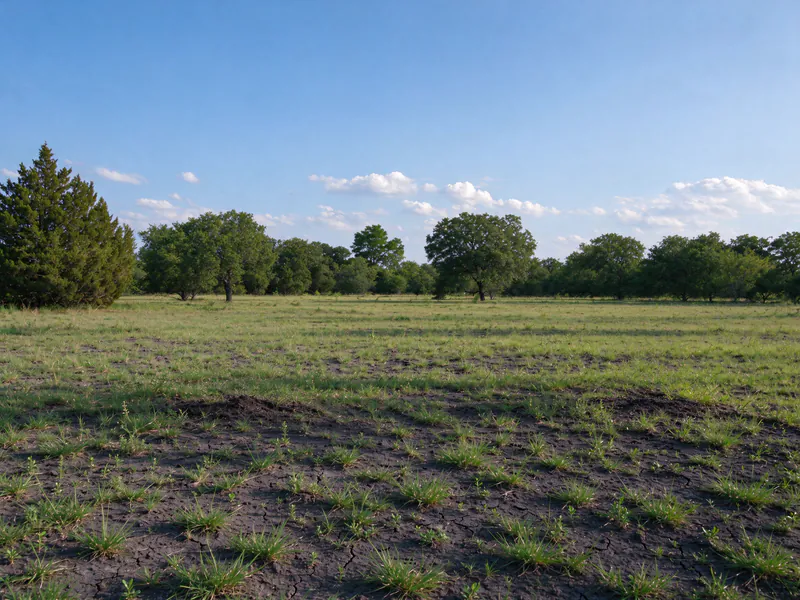
- Grass between the trees. Where good grass already exists, removing mesquite selectively protects it. Where the stand is solid and the ground underneath is bare, grubbing and reseeding make more sense.
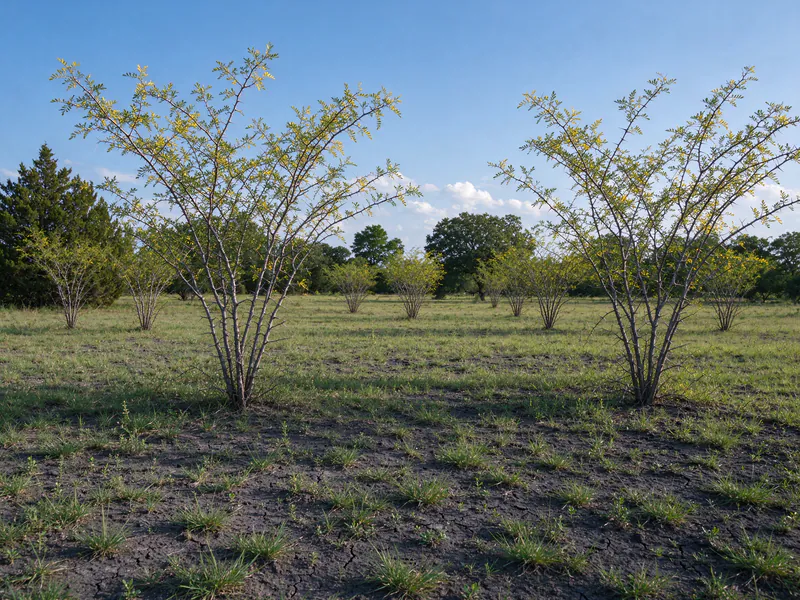
- History. How many times the stand has been shredded. Repeatedly shredded mesquite is multi-stemmed and shorter, with a large crown of buds under the surface.
Why shredding makes it worse
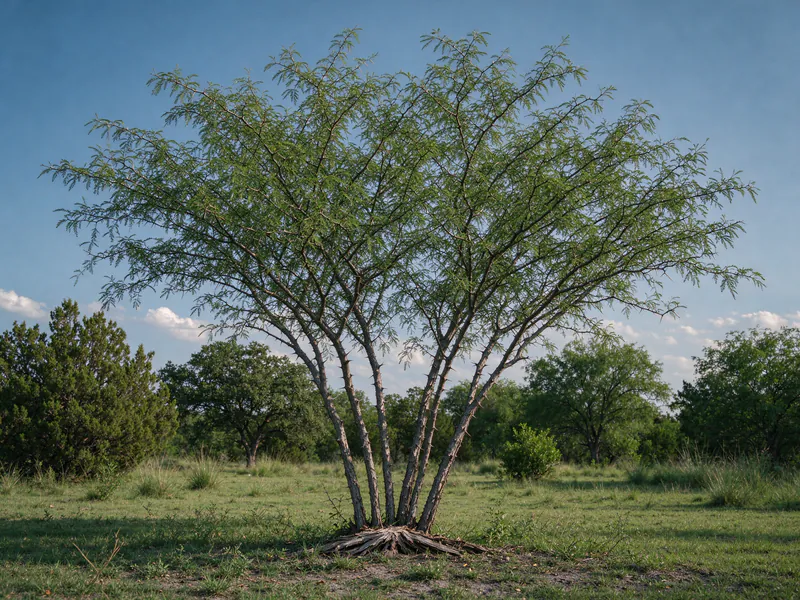
Honey mesquite is a prolific resprouter. Buds sit at and just below the soil line, in what is called the bud zone. A shredder or mulcher cutting above it removes the top but leaves the buds, and each cut wakes several at once. One trunk becomes a clump of five or six stems, and repeated shredding leaves a field thornier, not clearer.
That is why brush clearing by shredding or mulching alone is maintenance for mesquite, not removal. The guide on why mesquite comes back explains the bud zone in more detail.
Getting below the bud zone
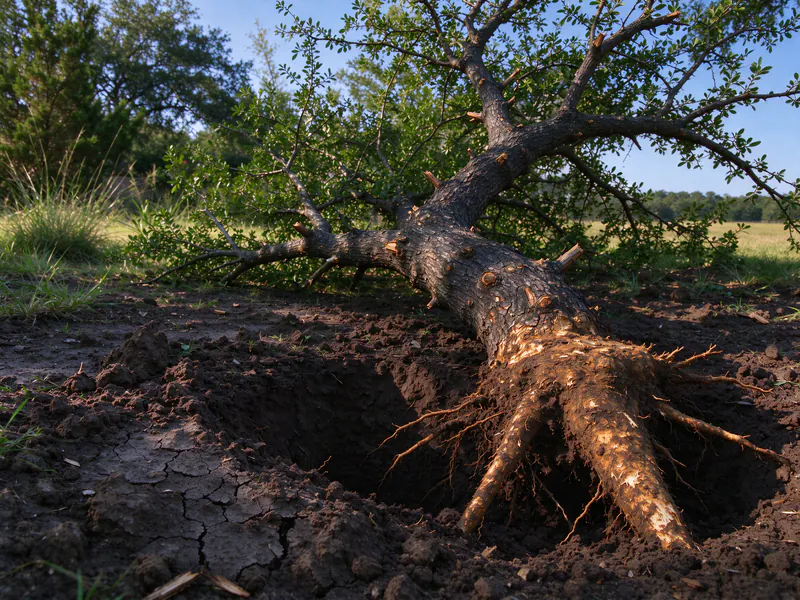
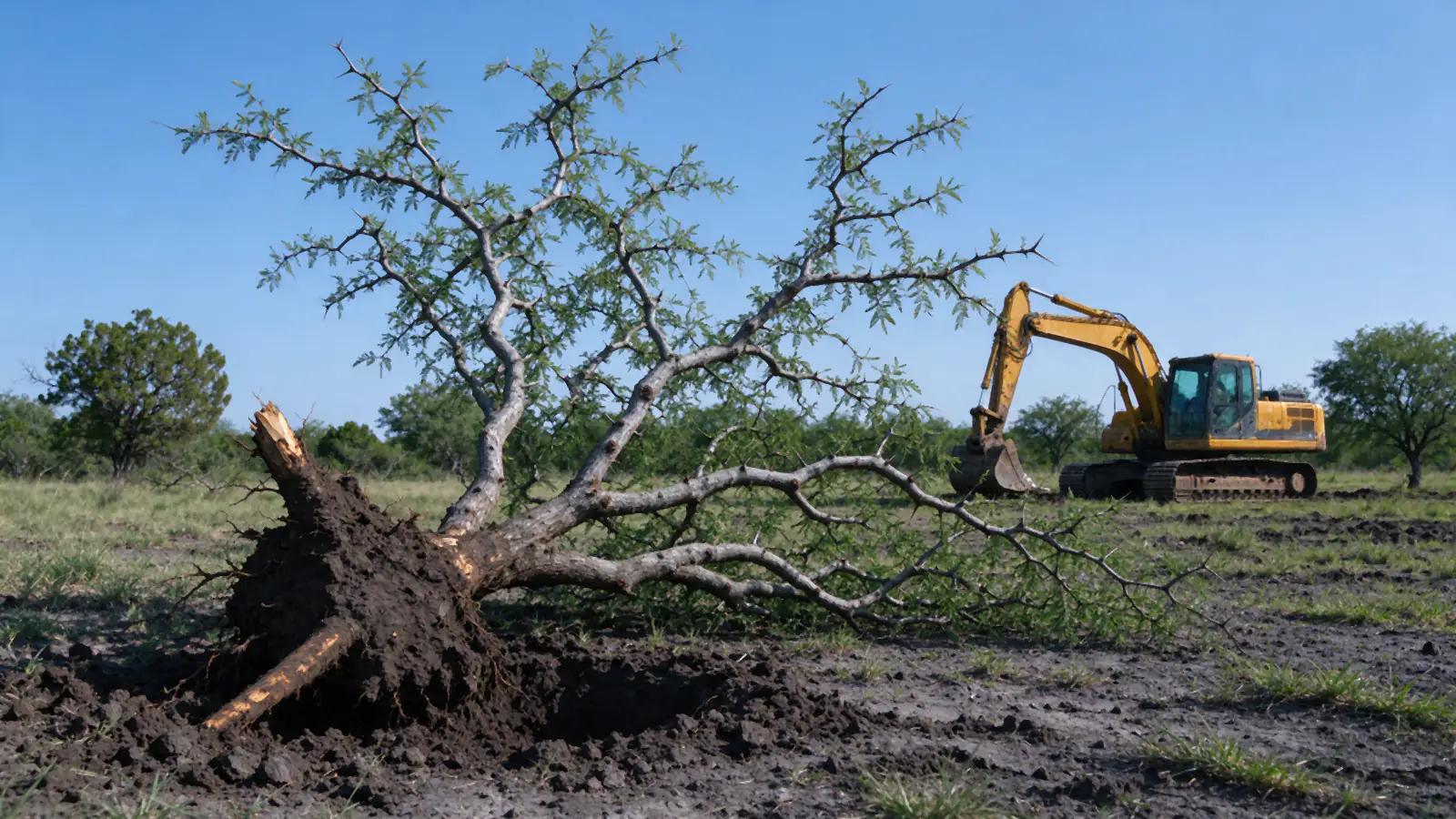
Mechanical removal has to grub at least about 14 inches deep to take out the basal and root buds. That means an excavator or dozer working each tree or root-plowing a whole field, and it means some soil disturbance to plan for.
- 811 first. Texas law requires a call to the Texas811 notification center at least 48 hours ahead, excluding weekends and holidays, before mechanized digging 16 inches or deeper. Grubbing mesquite usually reaches that depth.
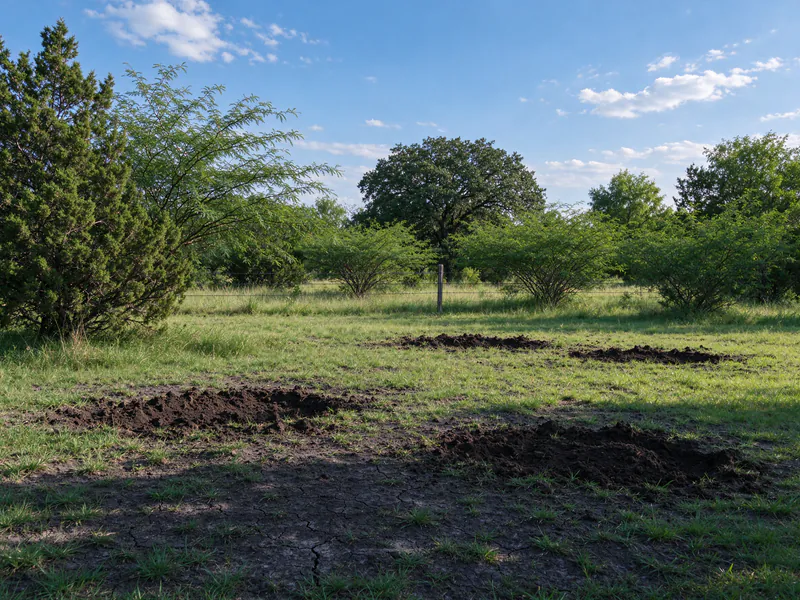
- Fill the holes. Grubbed holes on clay are filled and smoothed, or they hold water and trip livestock.
- Reseed bare ground. Large grubbed areas need seed before the next heavy rain.
Tired of shredding the same mesquite?
Send photos and the acreage. Grubbing below the bud zone usually ends it.
Timing on Blackland clay
The deep clay pastures toward Troy, Holland and Rogers grow mesquite with long taproots, and old fields left idle fill in fast. Grubbing heavy clay is easiest when the ground is firm but not cracked hard. Bell County’s wettest months are May and September through October, when machines rut soft clay; deep summer cracks make roots hard to follow. Late fall through early spring is usually the practical window. The guide on clearing land after rain on black clay explains how to judge the ground.
Other paths for dense stands
Grubbing every tree on a large, dense stand can cost more than the land returns. Other approaches:
- Mulch, then treat sprouts. The stand is mulched to open it up, and a licensed applicator treats the sprouts as they come back.
- Selective removal. Mesquite near fences, gates and good grass is grubbed first, and the rest is managed over time.
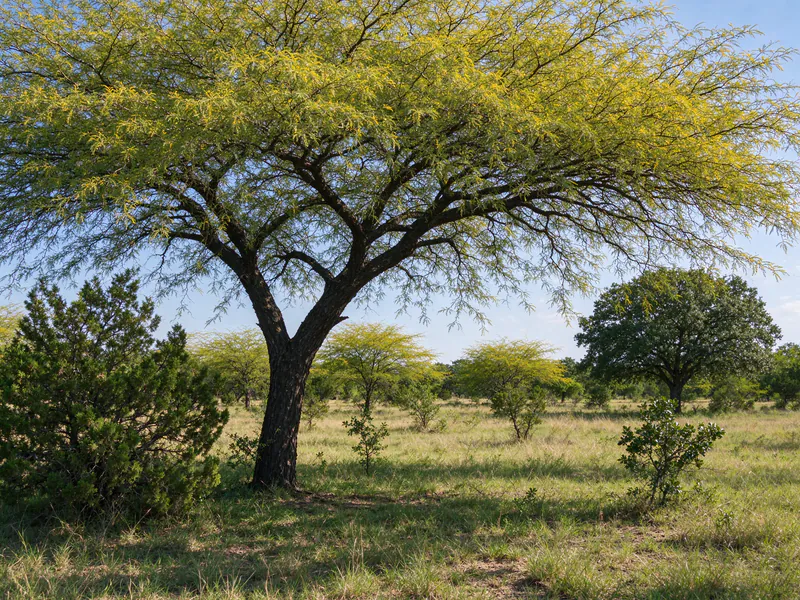
- Keep a few. Scattered mature mesquite provides shade for livestock; some owners keep a few on purpose.
Herbicide work is always done by a licensed applicator, never improvised.
Mesquite and ag land
Most mesquite work in Bell County is on pasture. Clearing to improve grazing keeps land in agricultural use; clearing for a homesite can be a change of use with a rollback tax. The guide to clearing ag land covers what to ask the appraisal district first, and pasture clearing covers whole-pasture methods.
What a mesquite estimate should say
Because mesquite work is easy to oversell, a good estimate is specific.
- Method by area. Which parts are grubbed, which are mulched and which are left.
- Depth. Whether grubbing goes below the bud zone, about 14 inches.
- Holes and debris. Whether holes are filled, and whether trees are mulched, piled or hauled.
- Regrowth. What sprouting to expect in the first year, and what follow-up, if any, is included.
- Exclusions. Herbicide work, reseeding and fence repair are usually separate.
If two quotes differ widely, check whether one is grubbing below the bud zone and the other is simply shredding.
Telling mesquite stands apart
Not every thorny thicket is the same problem. Single-trunk mesquite that has never been cut is the easiest to grub. Multi-stemmed clumps from earlier shredding have a wide crown of buds and take longer per tree. Mixed stands with hackberry, elm and cedar need a mix of methods. The walk-through sorts the stand into these groups, and the price follows.
After grubbing
Expect a few sprouts from roots that broke off below the grubbing depth, and seedlings from seed already in the soil. They are easiest to deal with in the first year, while they are small, by mowing, hand grubbing or treatment by a licensed applicator. Grass that comes in quickly on the cleared ground slows new seedlings down, so seeding grubbed areas before the fall rains pays off. Mesquite pods are spread by livestock and wildlife, so a pasture next to an uncleared one will see new seedlings along the fence for years; a pass every year or two keeps them from taking hold. Keeping a record of what was grubbed and when makes the follow-up easier to plan.
What mesquite removal costs
Grubbing costs more per acre than mulching or shredding, because each tree is dug out. For farm and ranch context, Texas A&M AgriLife Extension’s custom rates survey for its East region, which includes Bell County, put grubbing about 40 small trees per acre at $125 to $250 an acre and dozer root plowing at $150 to $300 an hour. Dense stands of larger mesquite cost much more. The cost guide explains how density, ground and debris add up, and stumps left from earlier work are covered under stump removal.
For a mesquite plan, call (254) 269-4999 or send photos through the form below.